# Why Every Girl Deserves Access to Sports: The Transformative Power of Gymnastics and Dance Competitions
Introduction
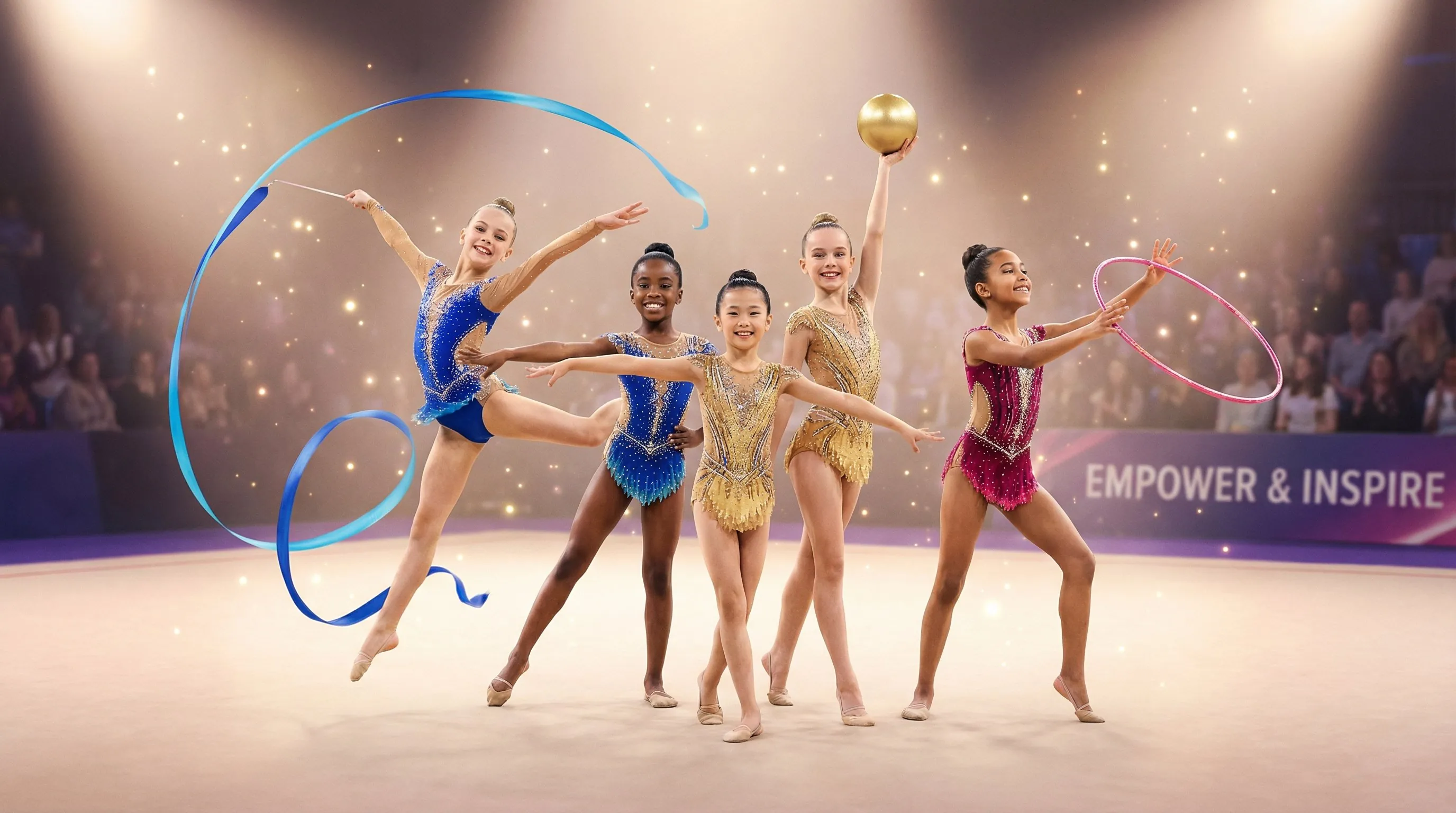
In an era where childhood obesity rates continue to climb, mental health challenges affect one in five young people, and confidence gaps persist among adolescent girls, access to youth sports has never been more critical. Yet millions of children—particularly girls from underserved communities—lack meaningful opportunities to participate in organized athletics. This article explores why youth sports access matters profoundly, with special focus on how gymnastics and dance competitions uniquely empower girls to develop into confident, resilient, and healthy adults.
The Broader Case for Youth Sports Access
Physical Health Benefits
Youth sports participation directly combats the sedentary lifestyle epidemic affecting modern children. According to the Centers for Disease Control and Prevention, only 26% of high school students meet the recommended 60 minutes of daily physical activity. Regular participation in organized sports increases cardiovascular fitness, builds muscular strength, improves flexibility, and establishes lifelong healthy habits. Children who engage in sports during their formative years are significantly more likely to maintain active lifestyles into adulthood, reducing their risk of chronic diseases including obesity, type 2 diabetes, and cardiovascular disease.
Mental Health and Emotional Development
The psychological benefits of youth sports extend far beyond physical conditioning. Research consistently demonstrates that young athletes experience lower rates of depression and anxiety compared to their sedentary peers. Sports provide a structured outlet for stress management, boost self-esteem through achievement, and create a sense of belonging within a community. For girls specifically, this psychological support proves invaluable during adolescence—a critical developmental period marked by significant social and emotional changes.
Academic Performance
Contrary to the misconception that sports distract from academics, student-athletes typically demonstrate superior academic performance. The discipline required for training, the time management skills developed through balancing school and sports, and the cognitive benefits of physical activity all contribute to better grades and higher graduation rates. Studies show that girls who participate in sports are more likely to pursue STEM fields and achieve higher educational attainment overall.
Social Development and Leadership
Team sports and competitive activities teach invaluable social skills including communication, cooperation, conflict resolution, and leadership. Young athletes learn to work toward collective goals, support teammates, and handle both victory and defeat gracefully. These experiences build social confidence and interpersonal skills that serve them throughout their lives.
The Unique Power of Gymnastics and Dance for Girls
While all youth sports offer benefits, gymnastics and dance competitions hold particular significance for girls' development. Here's why:
Building Unshakeable Confidence
Gymnastics and dance require girls to perform complex skills, often in front of audiences. This repeated exposure to performance situations, combined with the tangible achievement of mastering difficult techniques, creates a profound confidence boost. Unlike team sports where individual performance can be diffused within group dynamics, gymnastics and dance place girls in the spotlight—forcing them to confront self-doubt and emerge stronger. Girls who compete in these disciplines learn that they can accomplish difficult things, a belief that transfers to every area of their lives.
Developing Body Positivity and Self-Awareness
In a culture saturated with unrealistic body standards, gymnastics and dance offer a refreshing counterpoint. These sports celebrate what bodies can do rather than how they look. Girls learn to appreciate their bodies as powerful instruments capable of extraordinary feats. This functional approach to body image—focusing on strength, flexibility, and capability—helps protect against the body image issues and eating disorders that plague many adolescent girls.
Fostering Resilience Through Competition
Competition in gymnastics and dance teaches girls to handle pressure, manage disappointment, and bounce back from setbacks. Unlike recreational activities, competitive sports involve real stakes: judges' scores, rankings, and the possibility of not placing. Learning to navigate these experiences—to perform under pressure, accept constructive criticism, and persist after disappointing results—builds emotional resilience that serves girls throughout their lives. This resilience proves particularly valuable during the challenging transitions of adolescence and early adulthood.
Cultivating Discipline and Goal-Setting
Gymnastics and dance require consistent, deliberate practice. Girls cannot progress through skill levels through sporadic effort; they must commit to regular training, set specific goals, and work systematically toward achievement. This experience of disciplined effort producing tangible results teaches girls that success comes through persistence and planning—lessons that apply to academics, careers, and personal relationships.
Creating Sisterhood and Mentorship
The gymnastics and dance communities foster deep bonds among competitors. Girls train together, support each other through challenges, and celebrate each other's victories. Older, more advanced athletes naturally mentor younger ones, creating networks of female support and encouragement. In a world where girls often face pressure to compete with each other, these sports create spaces where girls genuinely root for one another's success.
Artistic Expression and Creativity
Unlike purely technical sports, gymnastics and dance integrate artistry with athleticism. Girls learn to express themselves through movement, interpret music, and develop their unique artistic voice. This creative outlet provides emotional expression opportunities that purely academic or athletic pursuits cannot offer. For many girls, dance and gymnastics become a primary means of self-expression during years when verbal communication about emotions feels difficult.
The Equity Issue: Why Access Matters
Despite the profound benefits of youth sports, access remains deeply unequal. Participation in gymnastics and dance competitions often requires significant financial investment—equipment, coaching fees, competition entry costs, and travel expenses create barriers for low-income families. Girls from wealthy families have dramatically higher participation rates than their peers from underserved communities, perpetuating cycles of inequality.
This disparity matters because girls from disadvantaged backgrounds often face the greatest challenges: higher rates of poverty-related stress, less stable home environments, and fewer mentors modeling success. These are precisely the girls who would benefit most from the confidence, community, and resilience that sports provide. Yet they are systematically excluded from these opportunities.
Increasing access to youth sports—particularly through subsidized programs, scholarship opportunities, and community-based facilities—represents an investment in girls' futures and in broader social equity. Every girl deserves the opportunity to discover what her body can do, to experience the pride of achievement, and to belong to a supportive community.
Practical Steps for Expanding Access
For Parents and Guardians
If your daughter expresses interest in gymnastics or dance, explore local options including community centers, school programs, and non-profit organizations that often offer more affordable alternatives to elite private facilities. Many clubs offer scholarship programs or sliding-scale fees for families with financial need—don't hesitate to ask.
For Communities and Policymakers
Investing in school-based gymnastics and dance programs, supporting non-profit youth organizations, and creating scholarship funds for low-income families expands access meaningfully. Communities that prioritize youth sports infrastructure see measurable improvements in youth health, academic outcomes, and social cohesion.
For Coaches and Program Directors
Actively recruiting from underrepresented communities, offering financial assistance, and creating inclusive environments where all girls feel welcome regardless of background or prior experience helps break down barriers to participation.
Conclusion
The case for youth sports access—particularly gymnastics and dance for girls—extends far beyond physical fitness. These disciplines offer girls transformative experiences: opportunities to build confidence, develop resilience, express creativity, and belong to supportive communities. In a world that often sends girls conflicting messages about their worth and capabilities, gymnastics and dance competitions provide clear, affirming answers: You are capable. You are strong. You belong.
Yet these opportunities remain unequally distributed, with girls from low-income backgrounds systematically excluded from participation. Expanding access to youth sports represents not just a health imperative, but a social justice issue. Every girl deserves the chance to discover her potential, to experience the pride of achievement, and to grow into a confident, resilient woman.
At Club Rhythmic, we believe deeply in this mission. We're committed to making elite-level rhythmic gymnastics training accessible to girls from all backgrounds, because we know that when girls are given the opportunity to compete, to challenge themselves, and to belong to a supportive community, they don't just become better athletes—they become stronger, more confident versions of themselves.